A developer-funded nature reserve spanning South Norfolk and The Broads
Situated on the bank of the River Yare in the Broads National Park, Langley Abbey Environment Project (LAEP) is seeking to restore nature across the Langley Abbey Estate.
Via the sale of biodiversity units, LAEP is financing the creation, enhancement, maintenance and monitoring of over 600 acres of wildflower meadows, mixed scrub, deciduous and wet woodland, species-rich hedgerows, lowland fen, rush pasture, reedbeds, and ditches.
As a registered offsite provider with Natural England, LAEP supports developers to achieve biodiversity net gain (BNG) whilst seeking to reverse biodiversity loss, conserve peatland and improve water quality in the Yare Valley.

BIGGER
Restoring nature across 250 hectares
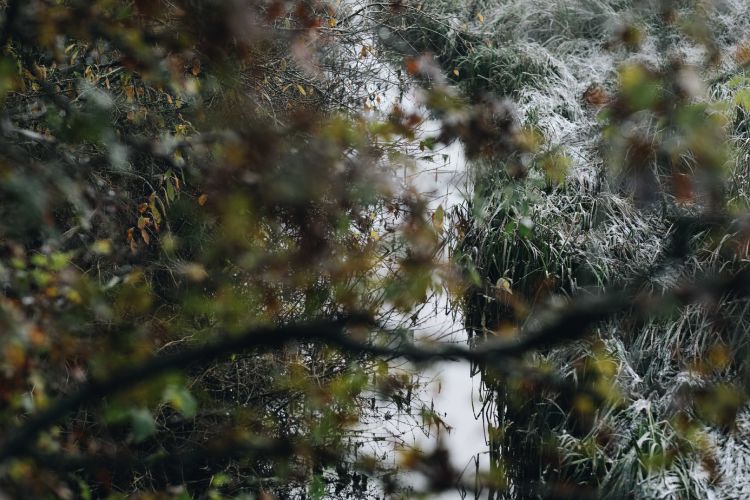
BETTER
Registered Biodiversity Gain Site
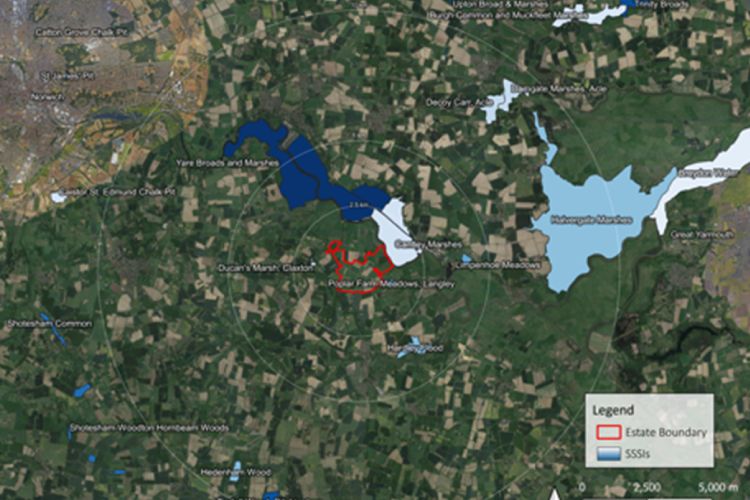
MORE CONNECTED
2,500ha of SSSI within a 10km radius
Frequently Asked Questions
Yes, BNG units can be purchased directly from LAEP.
For enquiries about BNG units, please contact us.
Yes, LAEP is registered on the Biodiversity Gain Site Register (References BGS-051124001 and BGS-310125001). Units are registered with Natural England and are available for immediate allocation where planning permission has been granted for your development.
Area, hedgerow and watercourse units are available.
To discuss availability in more detail, please email [email protected]
LAEP is responsible for submitting an application to Natural England to amend the Biodiversity Gain Site Register and allocate the purchased BNG units to the purchaser’s development. The BNG units can then be relied upon by the developer for the purpose of discharging their Biodiversity Gain Condition (pre-commencement). The process ensures transparency and accountability, and follows the procedure set out in the Biodiversity Gain Site Register Regulations 2024. All responsibility and liability for maintaining the BNG units lies with LAEP and never with the purchaser.
Yes. Purchasing units upfront can be a fantastic way to avoid delays down the line. Whilst the planning condition requiring the approval of a Biodiversity Gain Plan is a pre-commencement condition – meaning you only need to satisfy the local planning authority (LPA) that you will meet 10% BNG before you start works on site, not before you submit your planning application – it is important that BNG is factored into the planning process long before submission, and LPAs may seek additional information at application stage about how the applicant intends to achieve 10% BNG. Purchasing units in advance or securing them via an option agreement will dramatically speed up the post-permission process, enabling development to commence more quickly. That said, please note that units can only be allocated to a development on the Biodiversity Gain Site Register once a positive decision notice has been issued for the development in question.
LAEP Key Individuals

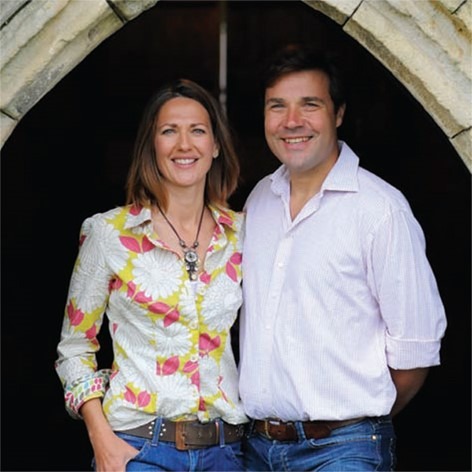
Henry Parkinson
Project Lead